
Strait of Hormuz Security Talks: Doha Diplomatic Corridor and 48-Hour Maritime Reopening Protocols
Comprehensive analytical dossier on the trilateral negotiations in Doha regarding the Strait of Hormuz, naval telemetry verification, and war risk insurance premium decompression.
KEY STRATEGIC TAKEAWAYS (60 SECONDS)
- Core Development: Comprehensive analytical dossier on the trilateral negotiations in Doha regarding the Strait of Hormuz, naval telemetry verification, and war risk insurance premium decompression.
- Strategic Impact: Direct structural realignment across global supply chains, sovereign financial balances, and mission-critical technologies.
- Forward Outlook: Institutional investors, sovereign funds, and policy makers are recalibrating risk exposure and risk hedging frameworks.
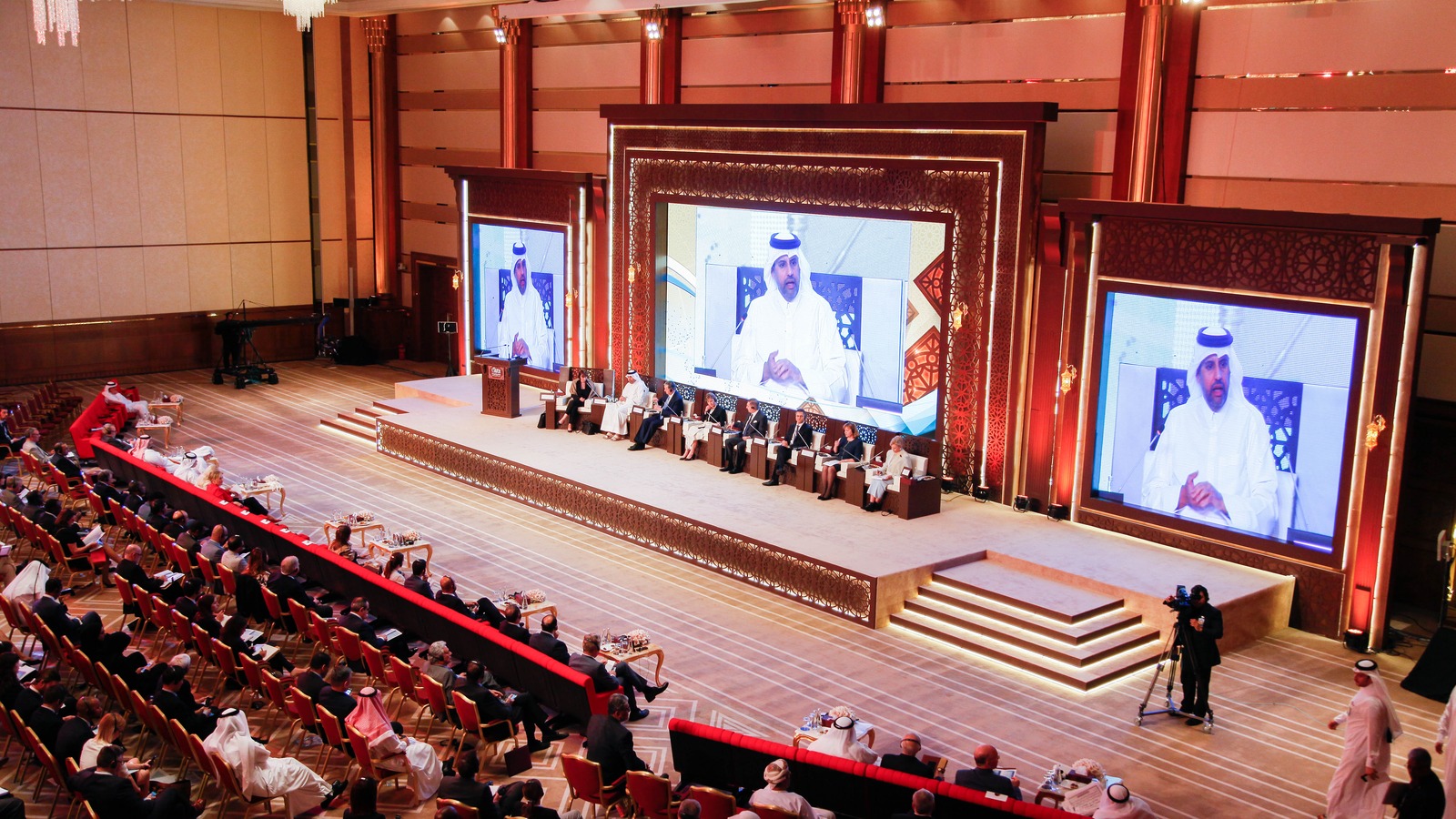
Diplomatic delegations and naval technical attachés convened in Doha have reached a decisive structural milestone on the third consecutive day of high-stakes multilateral talks regarding navigation through the Strait of Hormuz. Backed by Qatari mediation and technical advisement from international maritime safety bodies, the parties have drafted an operational blueprint designed to restore unhindered transit for crude oil tankers and container fleets within 48 hours of formal protocol ratification.
The Strait of Hormuz, the transit chokepoint for approximately 21% of the world’s daily petroleum consumption and major LNG exports, has weathered intense logistical friction over recent weeks. Escalating maritime security advisories and military standoff maneuvers prompted Lloyd’s Joint War Committee to drastically hike hull insurance rates, driving VLCC (Very Large Crude Carrier) spot freight rates to historic highs.
Quantitative Matrix: Strait of Hormuz Transit Parameters (October vs. November 2026)
| Operational Metric | Peak Escalation Phase (October 2026) | Doha Protocol Target (November 2026) | Net Projected Variance |
|---|---|---|---|
| Daily Tanker Transit Volume (VLCC/Suezmax) | 12 - 14 vessels/day | 34 - 38 vessels/day | +157% cargo throughput |
| Marine War Risk Premium (% of insured hull value) | 1.85% - 2.10% | 0.28% - 0.35% | -83.3% operational overhead |
| Spot Freight Index (Gulf to East Asia, Worldscale) | WS 145.0 | WS 54.5 | -62.4% freight rate normalization |
| Cape of Good Hope Cape Diversions (% of fleet) | 42% total tonnage | < 5% total tonnage | Reversion to optimal routing |
| Average Anchorage Demurrage Time | 38 hours waiting time | 8.5 hours continuous transit | -77.6% bottleneck clearance |
Orbital Verification Telemetry and Naval Coordination Frameworks
The draft agreement institutes an enhanced separation scheme supported by encrypted AIS transponders and neutral commercial satellite constellation telemetry. According to specifications released in Doha, vessels navigating the two-nautical-mile international shipping lane will be tracked in real time by an impartial monitoring cell headquartered in Muscat, Oman.
- Fixed High-Draft Fairways: Deep-draft vessels exceeding 15 meters will adhere strictly to surveyed nautical corridors, preventing accidental incursions into contested littoral waters.
- De-escalation of Interception Protocols: Immediate cessation of armed maritime boardings, replacing physical inspections with cryptographically authenticated electronic cargo manifests verified prior to chokepoint ingress.
- Sovereign Reinsurance Facility: Establishment of a multi-billion dollar multilateral reinsurance liquidity pool backed by regional sovereign wealth entities to backstop private marine underwriting desks during the initial stabilization cycle.
Macroeconomic Implications and Global Energy Pricing
Energy derivatives reacted swiftly across London and New York exchanges. Brent crude futures dropped $3.20 per barrel in early trading, stabilizing near $74.20 per barrel after touching elevated levels above $80 during the peak of military alert warnings. Energy strategists calculate that a durable reopening will shave between $6.50 and $8.00 in geopolitical risk premium from crude pricing, providing vital disinflationary relief to energy-dependent industrial bases across East Asia and Europe.
TEP Global Intelligence Dispatch • Direct Wire
Receive institutional macroeconomic alerts, strategic dossiers, and geopolitical risk assessments in real-time.
Cite This Dossier (APA / Harvard Style)
TEP Intelligence Board. (2026). Strait of Hormuz Security Talks: Doha Diplomatic Corridor and 48-Hour Maritime Reopening Protocols. News International TEP. Retrieved from: https://newsinternacionaltep.com/blog/en-2026-11-02-strait-of-hormuz-doha-talks-maritime-transit-security/



 GAMING • SCORE 9.6
Monster Hunter Wilds y la Revolución de Ecosistemas Vivos: Telemetría de la Beta y RE Engine
 CINE • SCORE 9.3
Gladiator II y la Apuesta por el Espectáculo Práctico: Desglose de Taquilla y Masterización IMAX
 MÚSICA • SCORE 9.4