
The Global Refining Squeeze: Compressed Crack Spreads and the Mega-Petrochemical Axis in Asia and the Middle East
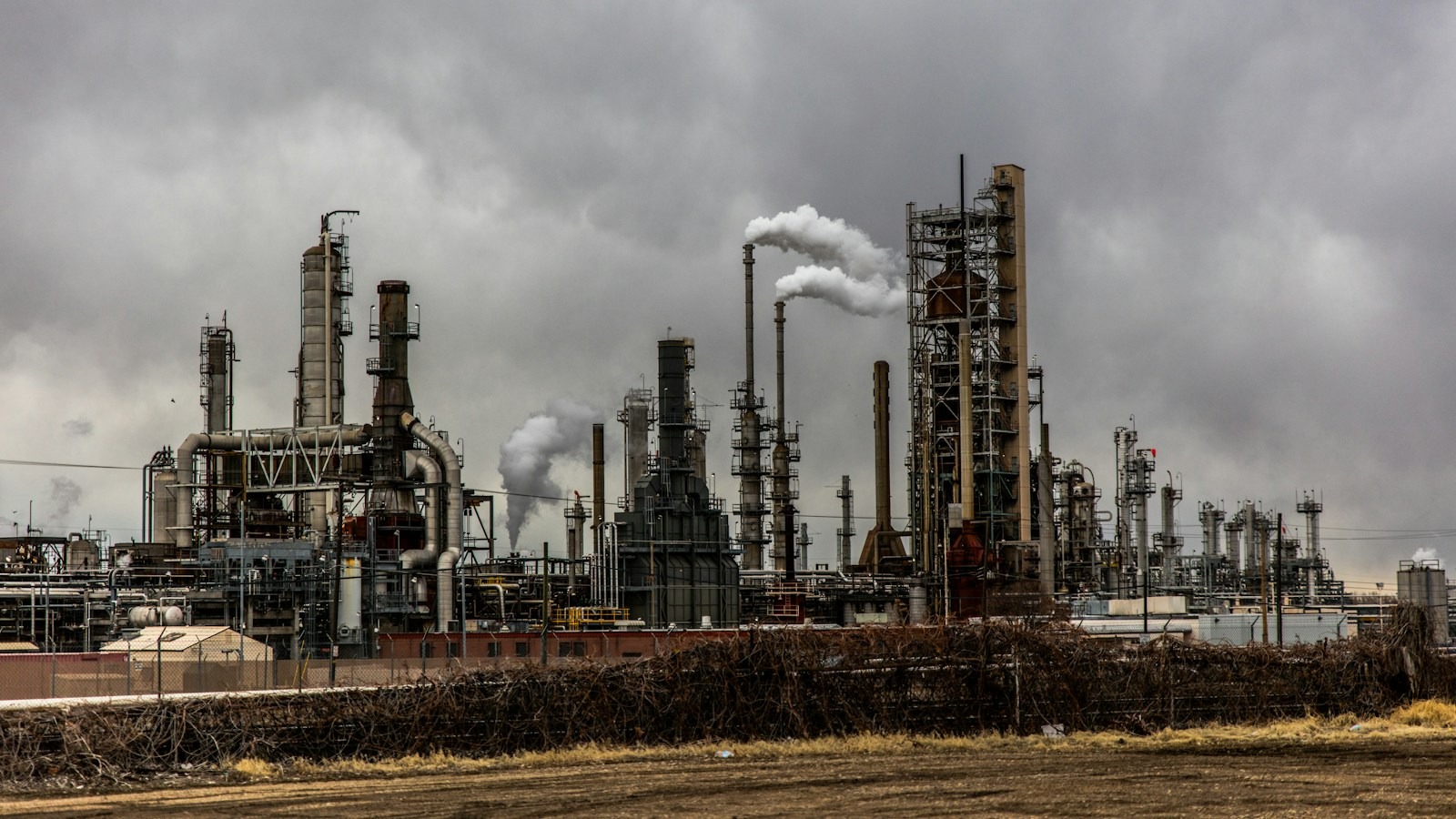
Quantitative assessment of structural refinery decommissions across the Atlantic basin, paired with the rapid ascent of integrated Crude-to-Chemicals (COTC) megacomplexes.

KEY STRATEGIC TAKEAWAYS (60 SECONDS)
- Core Development: Quantitative assessment of structural refinery decommissions across the Atlantic basin, paired with the rapid ascent of integrated Crude-to-Chemicals (COTC) megacomplexes.
- Strategic Impact: Direct structural realignment across global supply chains, sovereign financial balances, and mission-critical technologies.
- Forward Outlook: Institutional investors, sovereign funds, and policy makers are recalibrating risk exposure and risk hedging frameworks.
VIENNA (News Internacional TEP) — The global downstream energy landscape is undergoing an irreversible spatial reorganization. A confluence of stringent industrial carbon mandates across Europe, rising compliance expenditures, and compressed cracking margins has accelerated the permanent decommission of legacy refining capacity across the Atlantic basin.
The Hegemony of Integrated COTC Facilities
In direct contrast to Western rationalization, processing capacity has consolidated decisively across the Persian Gulf and Asian coastal belts. State-of-the-art Crude-to-Chemicals (COTC) megacomplexes in Gujarat (India), Zhanjiang (China), and Jubail (Saudi Arabia) routinely process upwards of 800,000 barrels per day per facility at unmatched operational efficiencies.
Crucially, these advanced complexes yield over 45% of their output as high-value petrochemical building blocks—specialty polymers, aromatics, and engineering resins essential for semiconductor and clean-tech manufacturing—insulating balance sheets from cyclical fluctuations in automotive motor fuels.
Supply Chain Fragility in Strategic Middle Distillates
This regional consolidation introduces profound strategic vulnerabilities for Western economies. As legacy domestic refining shrinks, Europe and parts of North America increasingly rely on lengthy maritime supply chains for ultra-low sulfur diesel and aviation kerosene, exposing critical transport networks to disruptions across the Red Sea and Bab el-Mandeb chokepoints.
TEP Global Intelligence Dispatch • Direct Wire
Receive institutional macroeconomic alerts, strategic dossiers, and geopolitical risk assessments in real-time.
Cite This Dossier (APA / Harvard Style)
TEP Intelligence Board. (2026). The Global Refining Squeeze: Compressed Crack Spreads and the Mega-Petrochemical Axis in Asia and the Middle East. News International TEP. Retrieved from: https://newsinternacionaltep.com/blog/en-2026-11-05-crisis-refinacion-global-eje-petroquimico-asia-oriente-medio/


 GAMING • SCORE 9.6
Monster Hunter Wilds y la Revolución de Ecosistemas Vivos: Telemetría de la Beta y RE Engine
 CINE • SCORE 9.3
Gladiator II y la Apuesta por el Espectáculo Práctico: Desglose de Taquilla y Masterización IMAX
 MÚSICA • SCORE 9.4