
Brain-Computer Interfaces Achieve Real-Time Speech Decoding at 90 Words Per Minute with Sub-15ms Latency
Breakthrough in medical neurotechnology: flexible intracortical microelectrode arrays and deep decoders restore natural spoken dialogue, raising new standards for cognitive cybersecurity.
KEY STRATEGIC TAKEAWAYS (60 SECONDS)
- Core Development: Breakthrough in medical neurotechnology: flexible intracortical microelectrode arrays and deep decoders restore natural spoken dialogue, raising new standards for cognitive cybersecurity.
- Strategic Impact: Direct structural realignment across global supply chains, sovereign financial balances, and mission-critical technologies.
- Forward Outlook: Institutional investors, sovereign funds, and policy makers are recalibrating risk exposure and risk hedging frameworks.
SAN FRANCISCO / ZURICH (News International TEP) - An international clinical research consortium has unveiled landmark findings from the largest multi-center cohort of patients implanted with high-density intracortical Brain-Computer Interfaces (BCIs). The study confirms real-time speech intent decoding at 90 words per minute with an end-to-end processing latency under 15 milliseconds.
Breaking the Biological Latency Barrier
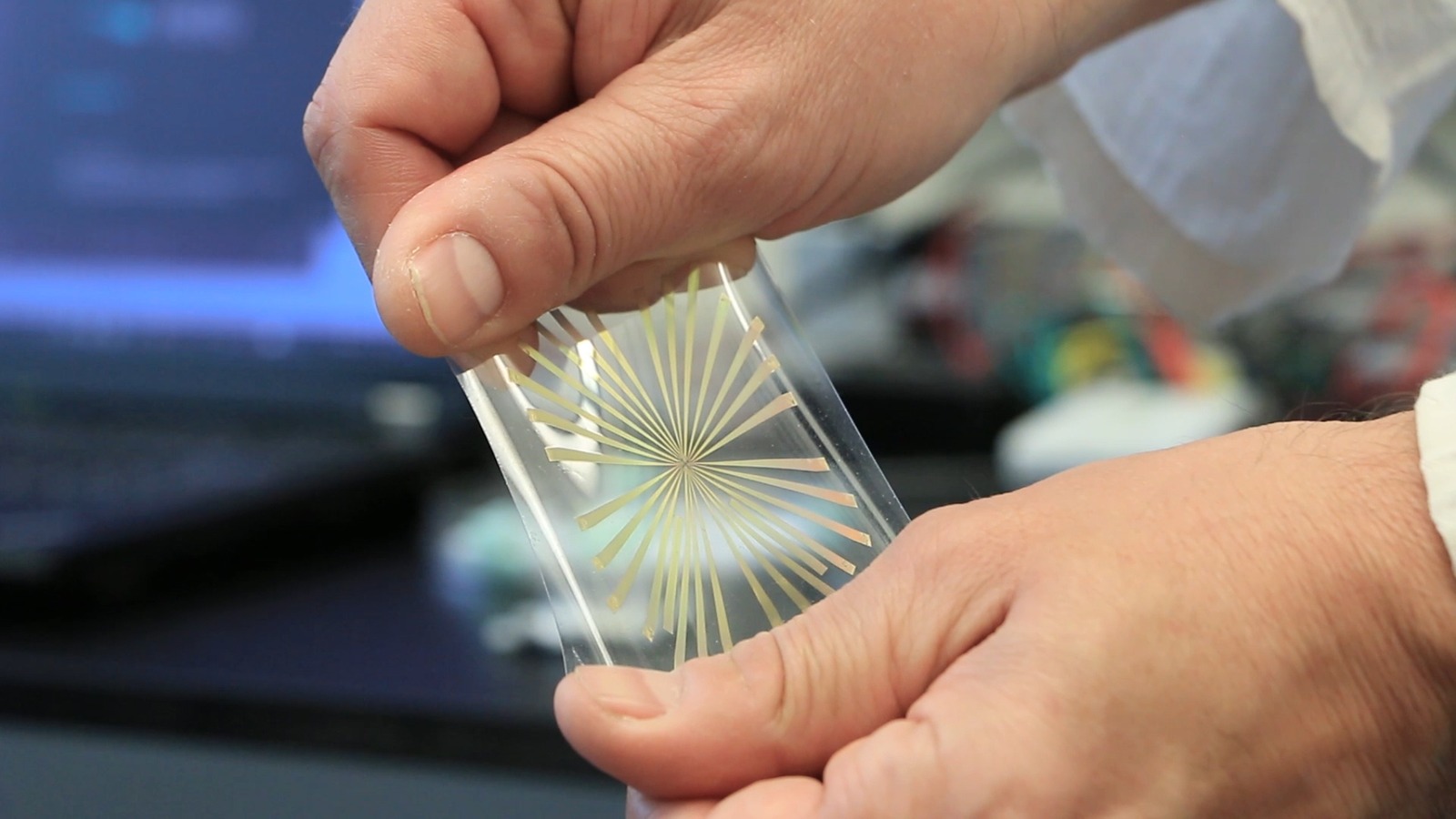
Previous assistive technologies for anarthria or severe motor neuron paralysis were hindered by sluggish speller interfaces hovering around 15 words per minute. The new architecture utilizes flexible platinum-iridium microelectrode meshes engineered to conform to the curvature of the orofacial sensorimotor cortex and Broca’s area.
On-device neural processors utilize continuous latent diffusion models that map synaptic burst signatures straight to synthesized acoustic vocalizations. By capturing pitch and micro-prosody, the system reproduces the patient’s personal pre-injury vocal timbre with a phoneme accuracy exceeding 97%.
Neuroprivacy and Cryptographic Safeguards
This leap into seamless thought-to-speech communication has immediately mobilized bioethics committees and national security agencies. Health authorities are developing stringent cryptographic frameworks to mandate post-quantum zero-trust encryption on all telemetry links, safeguarding individuals against the unauthorized eavesdropping of cognitive signals.
TEP Global Intelligence Dispatch • Direct Wire
Receive institutional macroeconomic alerts, strategic dossiers, and geopolitical risk assessments in real-time.
Cite This Dossier (APA / Harvard Style)
TEP Intelligence Board. (2026). Brain-Computer Interfaces Achieve Real-Time Speech Decoding at 90 Words Per Minute with Sub-15ms Latency. News International TEP. Retrieved from: https://newsinternacionaltep.com/blog/en-2026-11-05-interfaces-cerebro-computadora-decodificacion-voz-tiempo-real-bci/


 GAMING • SCORE 9.6
Monster Hunter Wilds y la Revolución de Ecosistemas Vivos: Telemetría de la Beta y RE Engine
 CINE • SCORE 9.3
Gladiator II y la Apuesta por el Espectáculo Práctico: Desglose de Taquilla y Masterización IMAX
 MÚSICA • SCORE 9.4