
The Reactor Bubble: Big Tech Corners Civilian Nuclear Fleets, Triggering Residential Utility Spikes
Exclusive power purchase agreements between hyperscalers and nuclear plant operators to feed AI training clusters cause a 35% jump in residential electric bills and trigger federal regulatory pushback.
KEY STRATEGIC TAKEAWAYS (60 SECONDS)
- Core Development: Exclusive power purchase agreements between hyperscalers and nuclear plant operators to feed AI training clusters cause a 35% jump in residential electric bills and trigger federal regulatory pushback.
- Strategic Impact: Direct structural realignment across global supply chains, sovereign financial balances, and mission-critical technologies.
- Forward Outlook: Institutional investors, sovereign funds, and policy makers are recalibrating risk exposure and risk hedging frameworks.
Hyperscalers and the Quest for Unfettered Baseload Power
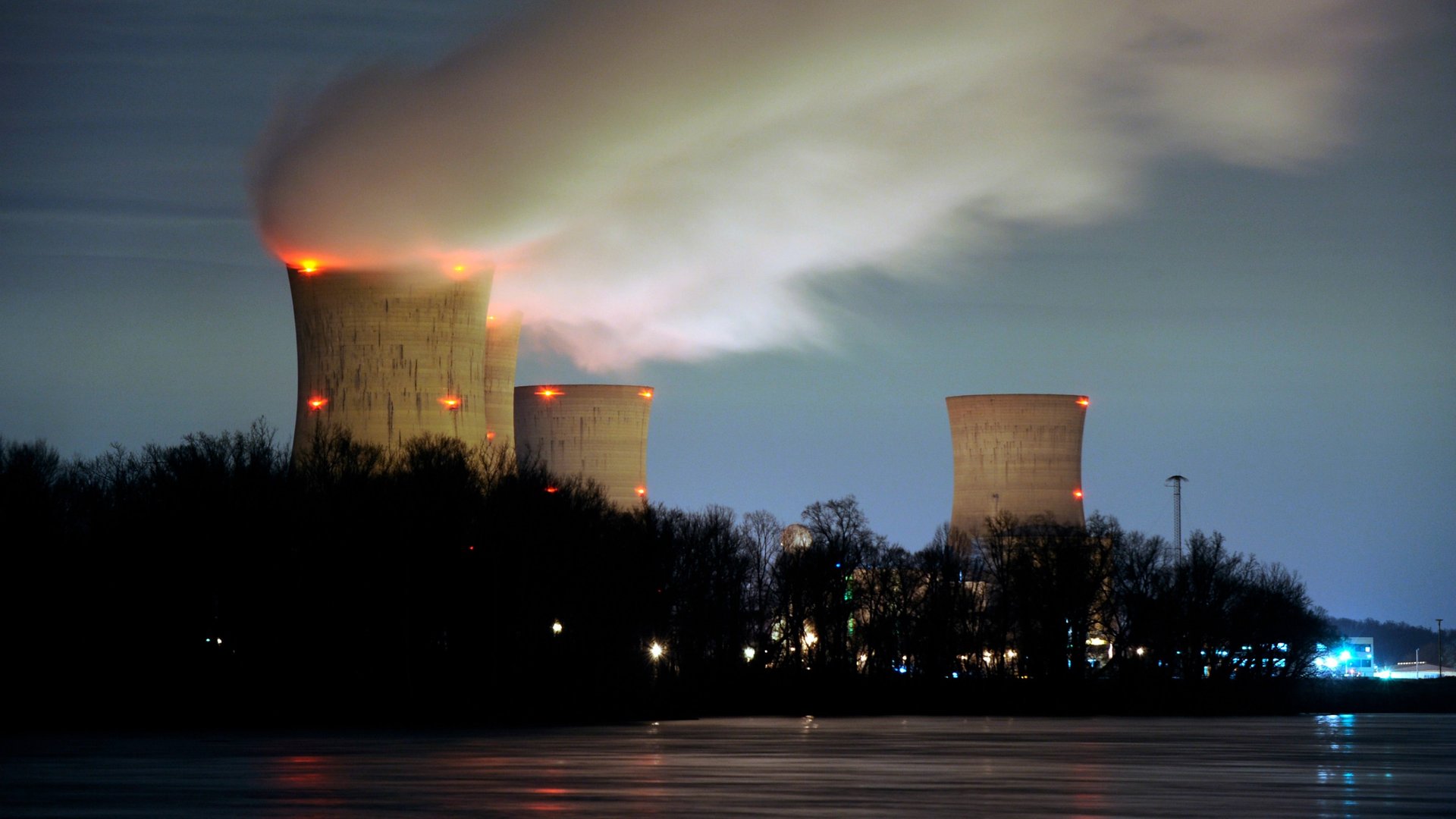
The computational intensity of frontier AI reasoning models has collided directly with the physical limits of municipal power grids. Seeking 24/7 carbon-free baseload energy to power gigawatt-scale data campuses, Microsoft, Amazon, and Google have moved decisively to acquire entire civilian nuclear generation assets.
Landmark commercial transactions—including the reactivation of mothballed reactors and direct ‘behind-the-meter’ co-location deals—are sequestering gigawatts of zero-carbon baseload electricity that historically stabilized regional urban grids.
The Consumer Backlash: 35% Grid Capacity Surcharges
The structural withdrawal of low-cost nuclear power from wholesale auctions is having severe ramifications for household ratepayers:
- Capacity Auction Shock: In major regional transmission grids like PJM Interconnection, capacity auction clearing prices surged nearly ninefold, directly inflating residential utility bills.
- Fossil Peaker Re-engagement: With nuclear power redirected to server clusters, utilities have been forced to spin up marginal natural gas peaker plants, elevating overall wholesale energy costs.
- Regulatory Interventions at FERC: The Federal Energy Regulatory Commission has begun rejecting behind-the-meter co-location agreements, citing unfair cost shifts and public grid reliability hazards.
The Emerging Battle Over Digital Energy Sovereignty
The conflict exposes a fundamental societal dilemma: whether national baseload assets built with public guarantees should be captured by private artificial intelligence conglomerates while the public absorbs price volatility and grid congestion.
TEP Global Intelligence Dispatch • Direct Wire
Receive institutional macroeconomic alerts, strategic dossiers, and geopolitical risk assessments in real-time.
Cite This Dossier (APA / Harvard Style)
TEP Intelligence Board. (2026). The Reactor Bubble: Big Tech Corners Civilian Nuclear Fleets, Triggering Residential Utility Spikes. News International TEP. Retrieved from: https://newsinternacionaltep.com/blog/en-2026-11-09-burbuja-reactores-nucleares-big-tech-ia-tarifas-electricas/

 GAMING • SCORE 9.6
Monster Hunter Wilds y la Revolución de Ecosistemas Vivos: Telemetría de la Beta y RE Engine
 CINE • SCORE 9.3
Gladiator II y la Apuesta por el Espectáculo Práctico: Desglose de Taquilla y Masterización IMAX
 MÚSICA • SCORE 9.4