
The Gigawatt Bottleneck: Big Tech's Race for SMR Nuclear Power and Global Grid Saturation
A structural examination of the global power grid bottleneck: how hyperscale AI compute clusters are forcing direct nuclear investments and straining high-voltage transformer manufacturing.

KEY STRATEGIC TAKEAWAYS (60 SECONDS)
- Core Development: A structural examination of the global power grid bottleneck: how hyperscale AI compute clusters are forcing direct nuclear investments and straining high-voltage transformer manufacturing.
- Strategic Impact: Direct structural realignment across global supply chains, sovereign financial balances, and mission-critical technologies.
- Forward Outlook: Institutional investors, sovereign funds, and policy makers are recalibrating risk exposure and risk hedging frameworks.
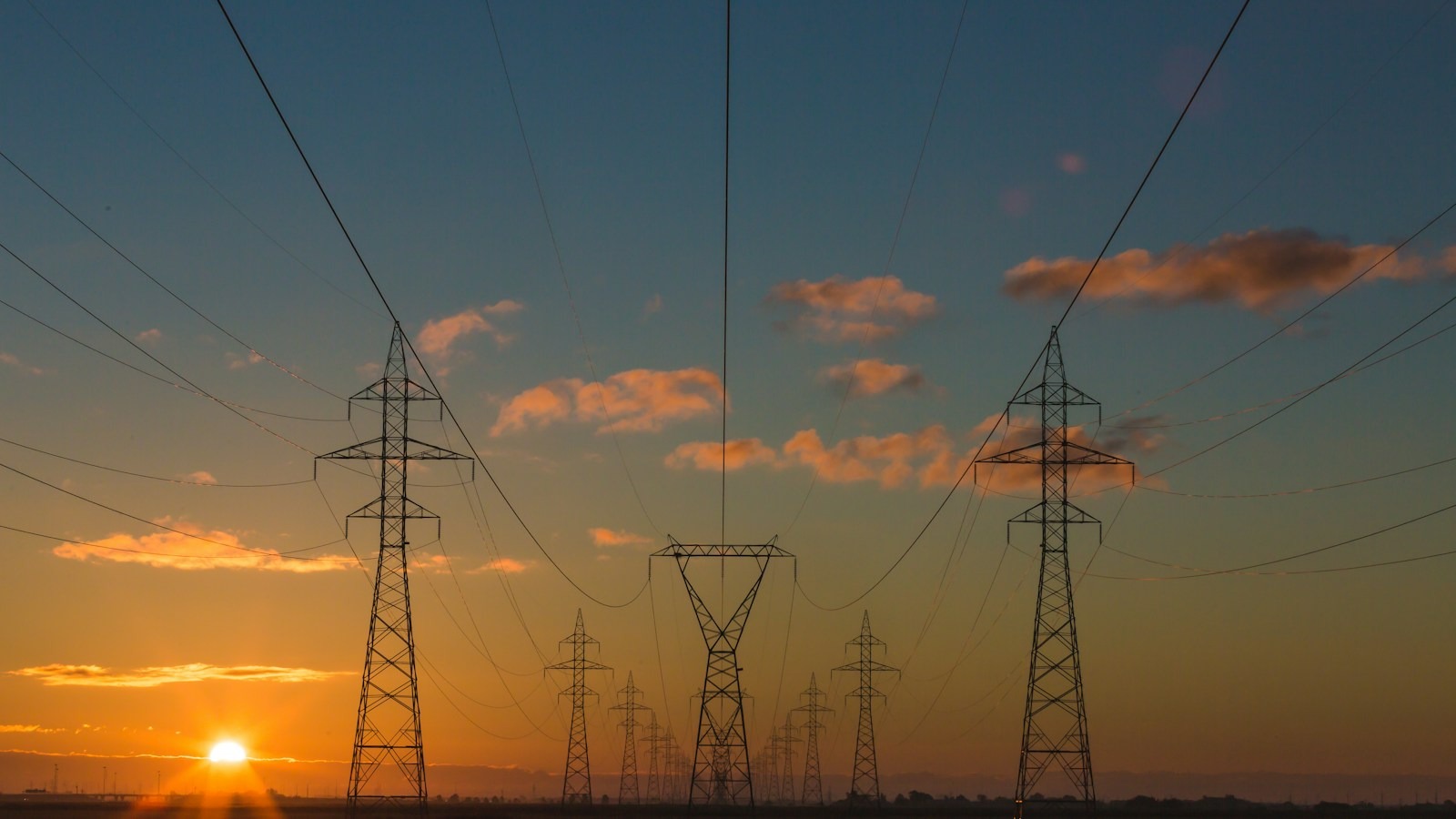
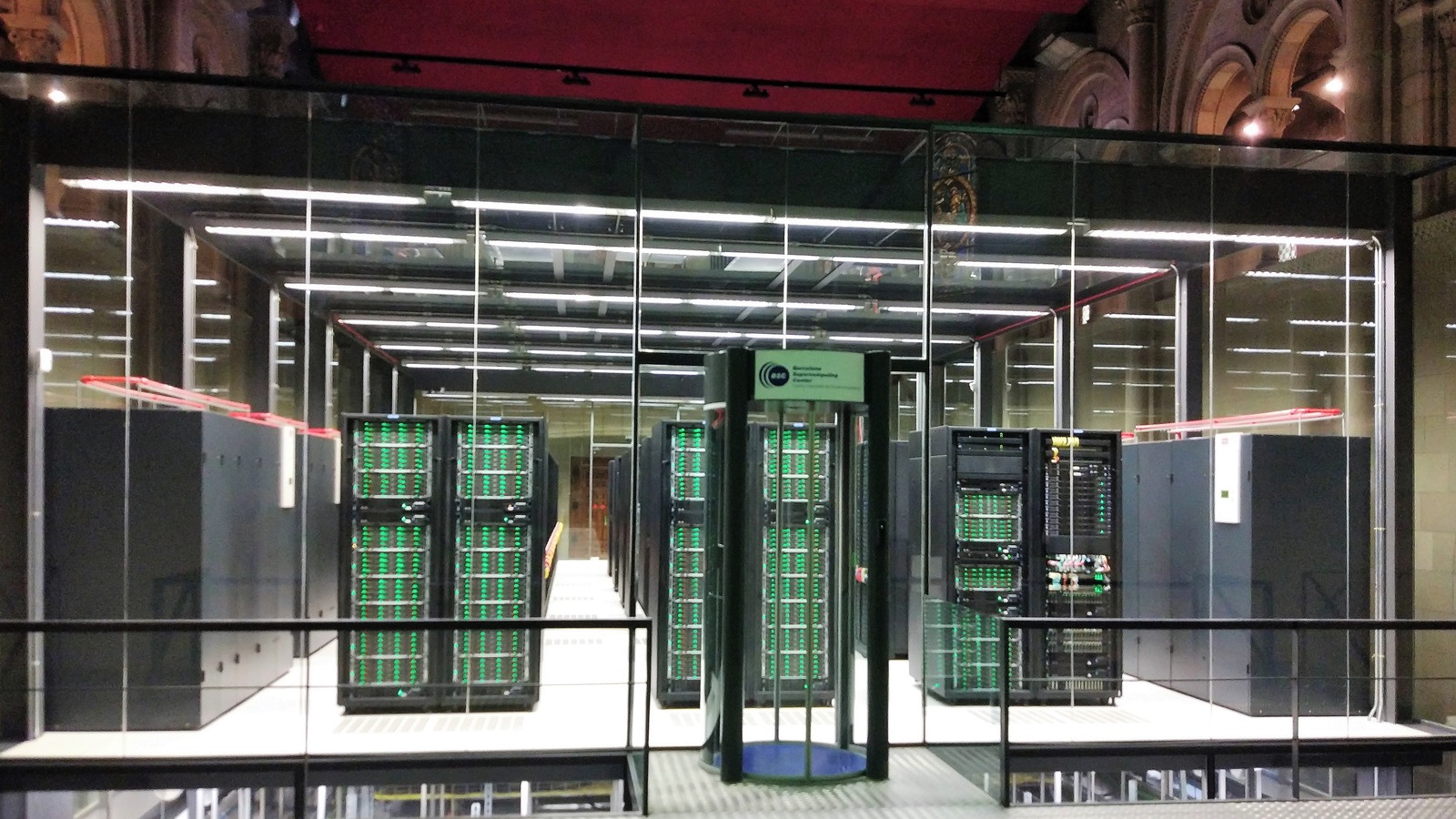
The geometric scaling of frontier artificial intelligence architectures has fundamentally altered tech economics: compute expansion is no longer constrained primarily by semiconductor foundry allocations, but by the physical capacity of national power grids to deliver continuous, uninterruptible gigawatts. With training clusters scaling beyond 100,000 next-generation accelerators and server power densities exceeding 120 kW per rack, hyperscalers face multi-year lead times for high-voltage step-up transformers and interconnection permits.
This transmission grid congestion across North America and Western Europe has triggered an unprecedented pivot toward co-located base-load generation. Long-term power purchase agreements (PPAs) are no longer confined to intermittent renewable sources; hyperscale operators are executing direct capital commitments with commercial nuclear utilities and small modular reactor (SMR) developers. By positioning modular nuclear capacity directly behind the utility meter, cloud providers aim to bypass regional grid interconnect queues entirely.
The structural challenge over the next five years will be reconciling the disparate tempos of computational development and physical utility engineering. While silicon architectures iterate on annual roadmaps, licensing and deploying commercial micro-fission reactors remains an engineering-intensive process. Consequently, the frontier of AI leadership will increasingly be determined by access to dedicated megawatt clusters and advanced liquid-to-air heat rejection systems, redefining electric utility contracts as vital national security assets.
TEP Global Intelligence Dispatch • Direct Wire
Receive institutional macroeconomic alerts, strategic dossiers, and geopolitical risk assessments in real-time.
Cite This Dossier (APA / Harvard Style)
TEP Intelligence Board. (2026). The Gigawatt Bottleneck: Big Tech's Race for SMR Nuclear Power and Global Grid Saturation. News International TEP. Retrieved from: https://newsinternacionaltep.com/blog/en-2026-11-04-ai-datacenter-power-grid-modular-nuclear-reactors/
 GAMING • SCORE 9.6
Monster Hunter Wilds y la Revolución de Ecosistemas Vivos: Telemetría de la Beta y RE Engine
 CINE • SCORE 9.3
Gladiator II y la Apuesta por el Espectáculo Práctico: Desglose de Taquilla y Masterización IMAX
 MÚSICA • SCORE 9.4