
The 2nm Silicon War: OpenAI, Anthropic, and the Structural Challenge to NVIDIA via Custom ASICs and TSMC N2 Nodes
Technical dissection of the next-generation AI hardware race: TSMC's 2nm Gate-All-Around (GAA) nanosheet ramp, custom inference chips like 'Halapeño', and multi-chip diversification away from merchant GPU monopolies.
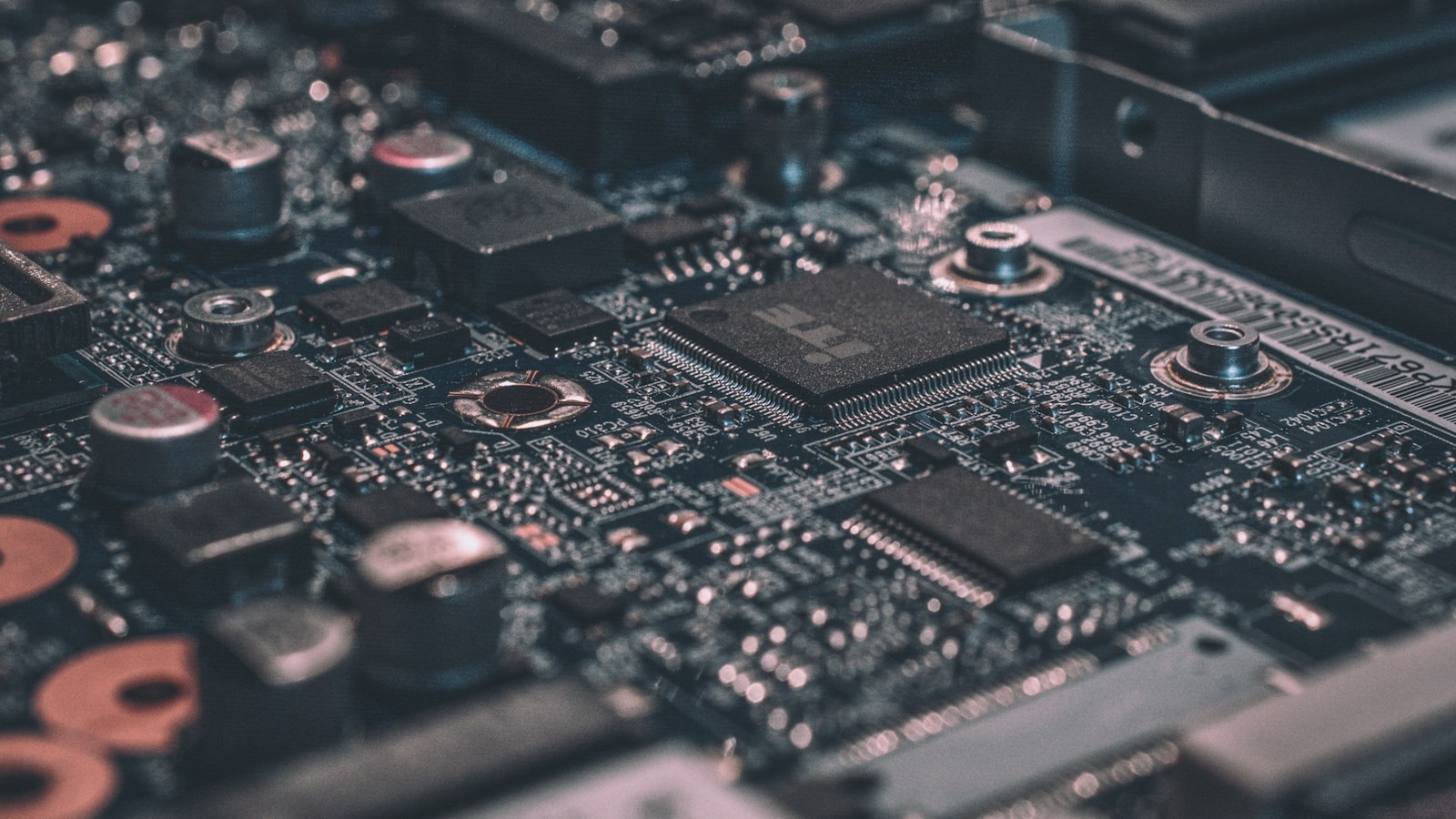
KEY STRATEGIC TAKEAWAYS (60 SECONDS)
- Core Development: Technical dissection of the next-generation AI hardware race: TSMC's 2nm Gate-All-Around (GAA) nanosheet ramp, custom inference chips like 'Halapeño', and multi-chip diversification away from merchant GPU monopolies.
- Strategic Impact: Direct structural realignment across global supply chains, sovereign financial balances, and mission-critical technologies.
- Forward Outlook: Institutional investors, sovereign funds, and policy makers are recalibrating risk exposure and risk hedging frameworks.
The frontier artificial intelligence industry has transcended pure algorithmic architecture into an all-out physical semiconductor war. As Taiwan Semiconductor Manufacturing Company (TSMC) accelerates high-volume manufacturing of its 2-nanometer (N2) node based on Gate-All-Around (GAA) nanosheet transistors, OpenAI and Anthropic have mounted aggressive campaigns to break their dependency on merchant GPU supply chains.
1. The TSMC N2 Nanosheet Breakthrough
TSMC’s N2 process introduces stacked horizontal nanosheets that completely enclose the gate channel, eradicating leakage current and unlocking a 10% to 15% clock speed gain at identical power envelopes, or a 25% to 30% reduction in power consumption compared to N3P. Paired with next-gen CoWoS-L packaging, wafer architectures now bridge over 8 Terabytes per second of memory bandwidth across HBM3E and HBM4 stacks.
2. Custom ASICs and Multi-Platform Stacks
OpenAI’s collaboration with Broadcom on custom inference silicon code-named Halapeño slashes per-token inference overhead by 40% compared to legacy architectures. Simultaneously, Anthropic’s multi-vendor strategy allocates compute across NVIDIA clusters, Google TPU v6 (Trillium), and AWS Trainium 2, leveraging internal Claude models for automated RTL synthesis and formal circuit verification.
TEP Global Intelligence Dispatch • Direct Wire
Receive institutional macroeconomic alerts, strategic dossiers, and geopolitical risk assessments in real-time.
Cite This Dossier (APA / Harvard Style)
TEP Intelligence Board. (2026). The 2nm Silicon War: OpenAI, Anthropic, and the Structural Challenge to NVIDIA via Custom ASICs and TSMC N2 Nodes. News International TEP. Retrieved from: https://newsinternacionaltep.com/blog/en-2026-11-04-tsmc-2nm-silicon-race-openai-anthropic-custom-chips/

 GAMING • SCORE 9.6
Monster Hunter Wilds y la Revolución de Ecosistemas Vivos: Telemetría de la Beta y RE Engine
 CINE • SCORE 9.3
Gladiator II y la Apuesta por el Espectáculo Práctico: Desglose de Taquilla y Masterización IMAX
 MÚSICA • SCORE 9.4